
Strengthen Your Joints with Collagen-Rich Foods
Discover the science-backed guide to nourishing your joints from within. Learn which foods deliver maximum collagen, cartilage-supporting nutrients, and mobility benefits.
The information on this site is for educational purposes only and does not constitute medical advice. Always consult a qualified healthcare professional before making health decisions.
Visual Guide to Collagen-Rich Superfoods
These nutrient-dense ingredients are foundations of joint-supportive eating. Each offers unique collagen precursors and complementary nutrients.

Bone Broth
Simmered collagen, gelatin, and amino acids that directly support joint structure and flexibility.

Fatty Fish
Salmon and mackerel provide omega-3s that reduce inflammation and support collagen production.
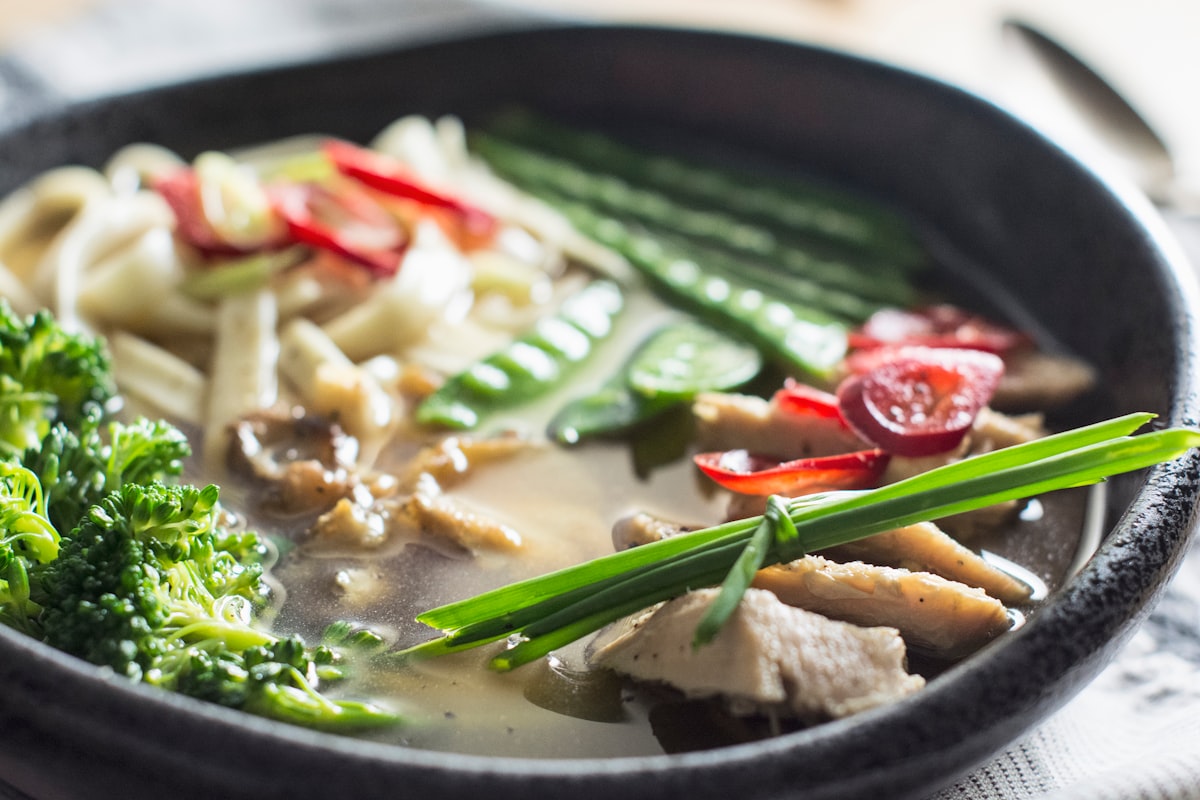
Citrus & Bell Peppers
Vitamin C is essential for collagen cross-linking and maintaining structural integrity of joints.

Berries
Antioxidants like anthocyanins protect collagen from oxidative damage and support joint resilience.

Chicken Skin
Contains Type II collagen directly supporting cartilage resilience and joint cushioning.

Leafy Greens
Calcium, magnesium, and silica support bone matrix formation and collagen stability.
Why Collagen Matters for Joint Health
Structural Support
Collagen forms the foundation of cartilage, tendons, and ligaments that stabilize joints.
Flexibility
Adequate collagen helps joints move smoothly with reduced stiffness throughout daily activity.
Natural Resilience
Collagen-rich foods support the body's own capacity for cartilage maintenance and repair.
Long-Term Mobility
Consistent nutrient intake supports sustained joint comfort and ease of movement over time.
Top Collagen-Rich Food Categories
Diverse food sources provide complementary collagen types and cofactors needed for joint resilience.
Broth & Stock
Slow-simmered animal bones release collagen, gelatin, and amino acids like glycine and proline that form the building blocks of connective tissue.
- Beef or chicken bone broth
- Fish bone stock
- Vegetable-based collagen broths
Fatty Fish
Salmon, mackerel, and sardines deliver omega-3 fatty acids that reduce inflammatory processes and support the body's collagen synthesis pathways.
- Atlantic salmon
- Mackerel and sardines
- Trout and herring
Vitamin C Sources
Citrus fruits, bell peppers, and kiwi contain ascorbic acid essential for collagen hydroxylation—the chemical process stabilizing collagen's triple helix structure.
- Oranges and lemons
- Red and yellow peppers
- Kiwi and mango
Antioxidant Foods
Berries, dark chocolate, and green tea contain polyphenols that protect collagen from oxidative damage and support cartilage resilience against daily wear.
- Blueberries and blackberries
- Dark chocolate (70%+ cacao)
- Green and white tea
Mineral-Dense Greens
Spinach, kale, and collards provide silica, magnesium, and calcium—minerals essential for bone matrix mineralization and collagen stability.
- Spinach and kale
- Collard greens
- Swiss chard and arugula
Protein & Collagen Precursors
Eggs, legumes, and poultry supply amino acids and minerals that serve as raw materials for the body's collagen synthesis and cartilage maintenance.
- Whole eggs and egg whites
- Lentils and chickpeas
- Skinless poultry
Our Editorial Approach
Mobility Nutrition Path Pro is dedicated to evidence-based education about nutrition's role in joint health. Our editorial team researches peer-reviewed research and nutrition science to deliver practical guidance.
We focus on real food strategies—not quick fixes. By understanding how specific nutrients like collagen, vitamin C, and omega-3 fatty acids support your body's natural joint maintenance systems, you can make informed food choices that align with your long-term mobility goals.
-
Science-Backed Content
All articles reference peer-reviewed studies and current nutrition guidelines.
-
Practical Food Strategies
Learn which everyday foods deliver the most joint-supporting nutrients.
-
Clear, Honest Information
We explain what nutrition can realistically support—no overpromises.

What Our Readers Say
"I've been reading the collagen food guide for three months, and the practical recommendations have completely changed my approach to meals. The detailed explanations of which foods support joint health made everything click for me. I feel more informed about nutrition than ever before. Individual results may vary."
Jana Svobodová
Brno
"The bone broth article was eye-opening. I learned exactly why and how to prepare it for maximum collagen extraction, plus which nutrients it actually contains. This is real nutrition education—no fluff, just science explained clearly."
Petr Novotný
Prague
"As someone concerned about joint mobility as I age, I appreciate the honest, evidence-based approach. The articles don't make wild promises—instead, they explain how nutrition realistically supports your body's natural systems. Refreshingly honest."
Michaela Růžičková
Ostrava
"The food categories guide helped me understand which nutrients my body actually needs for joint health. Instead of following trends, I can now make meal plans based on solid nutrition science. Highly recommend for anyone serious about their nutrition."
David Krajčík
Liberec
Frequently Asked Questions
Common questions about collagen, joint nutrition, and how to build better eating habits around joint-supportive foods.
What is collagen and why do joints need it?
Collagen is the most abundant protein in your body, making up roughly 30% of total protein mass. In joints, collagen forms the structural matrix of cartilage, tendons, and ligaments. Type II collagen specifically cushions joint surfaces, while Type I collagen strengthens tendons and ligaments. As we age, collagen production naturally declines, which is why nutritional support becomes increasingly important for maintaining joint function and mobility.
How quickly will I notice changes from eating collagen-rich foods?
Nutritional changes work gradually as your body incorporates new nutrients into tissue repair processes. Some readers report feeling reduced stiffness within 4-6 weeks of consistent collagen-rich eating, though results vary based on diet quality, activity level, and individual metabolism. The key is consistency—think of nutrition as long-term support rather than a quick fix. The body rebuilds cartilage slowly, so patient, sustained effort yields the best outcomes.
Can I get enough collagen from food alone, or do I need supplements?
Food sources like bone broth, fish skin, and chicken skin deliver collagen directly plus supporting nutrients like amino acids and minerals. Many readers find food-based approaches sufficient for joint health. Supplements may complement food if dietary sources are limited, but whole foods offer synergistic nutrients that supplements alone cannot replicate. Our food guide emphasizes maximizing nutritional density through real foods first, then supplementing only if needed.
Is vitamin C really that important for collagen?
Yes—vitamin C is essential for collagen stability. Your body needs ascorbic acid to hydroxylate proline and lysine residues in newly synthesized collagen. Without adequate vitamin C, collagen molecules cannot form their characteristic triple-helix structure, compromising joint integrity. This is why including vitamin C sources like citrus, berries, and peppers alongside collagen-rich foods maximizes the effectiveness of what you eat. It's a nutritional partnership, not an either-or choice.
What role do omega-3 fatty acids play in joint health?
Omega-3s from fish and plant sources reduce inflammatory signaling in the body, which helps protect existing collagen from degradation and supports the cellular environment where new cartilage rebuilds. EPA and DHA (from fatty fish) specifically suppress inflammatory mediators that can accelerate cartilage wear. Combining omega-3 rich foods with collagen sources creates a more complete nutritional strategy for joint support.
How do I incorporate more collagen foods into a busy lifestyle?
Start with simple swaps: add egg to breakfast, use canned fish for quick lunches, prepare bone broth in batches to freeze, or sip warm broth as a daily ritual. Many readers batch-cook proteins on weekends to simplify weekday meals. Our food guide includes quick meal ideas that fit real life—no elaborate recipes required. Small, consistent changes compound into significant nutritional improvements over weeks and months.
Get Our Latest Joint Nutrition Articles
Receive weekly insights about collagen, nutrition science, and practical food strategies delivered to your inbox.
We respect your privacy. Unsubscribe anytime. See our Privacy Policy for details.
Start Your Collagen-Rich Food Journey Today
Explore our complete food guide, read in-depth articles about joint nutrition, and discover practical strategies for supporting your body's natural joint resilience through informed eating.